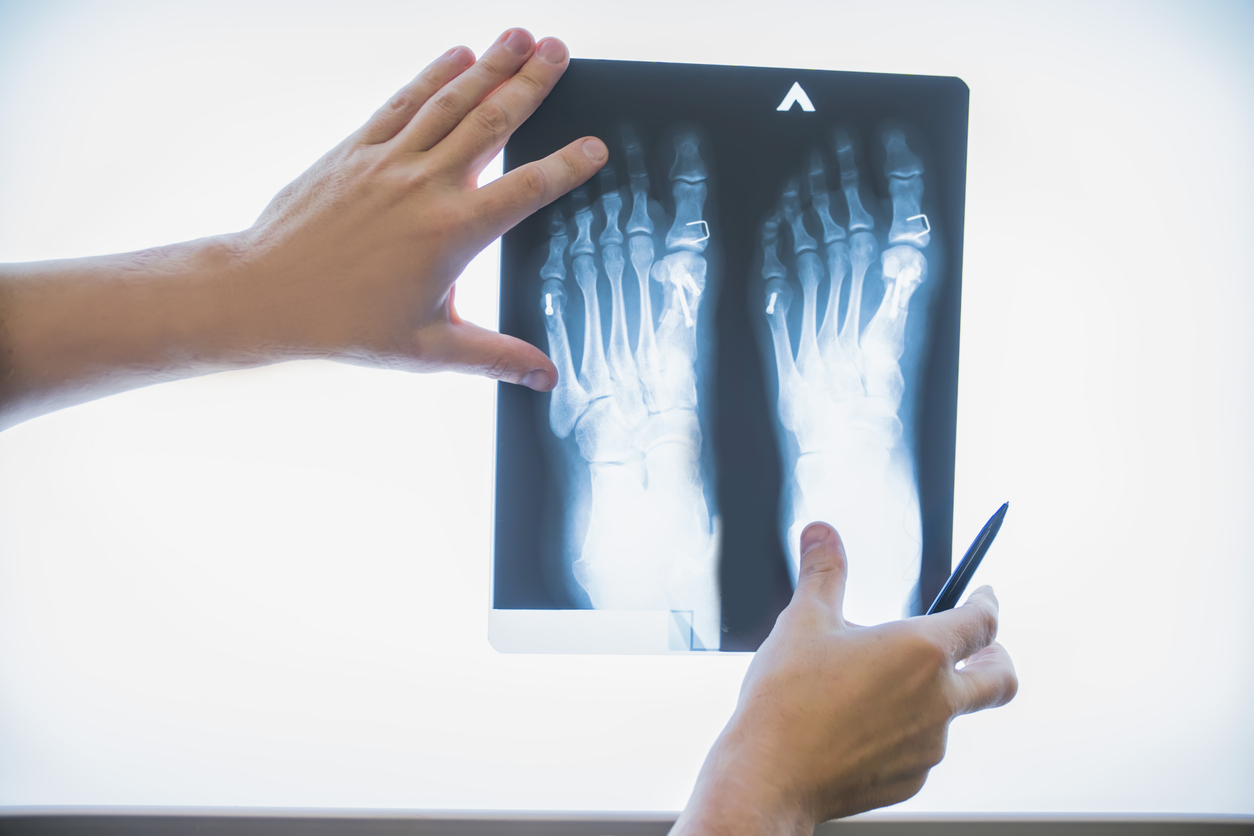
One of the most common complaints affecting people of all ages is heel pain. It usually starts as a mild ache after prolonged standing, walking, or exercise. In such cases, the problem improves with rest, ice, and supportive footwear. However, not all heel pain is that simple. In some cases, heel pain can be a symptom of an underlying condition that requires medical care. Knowing when heel pain requires medical attention from a heel pain specialist can help prevent long-term damage and speed up recovery.
When Heel Pain Requires Medical Attention
When discussing heel pain and seeking medical attention, it helps to understand its common causes. The most common cause is plantar fasciitis. This is an inflammation of the thick band of tissue running along the bottom of the foot. Plantar fasciitis can cause sharp pain with the first steps in the morning.
Achilles tendinitis, heel spurs, bursitis, stress fractures, nerve entrapment, and arthritis are other common causes. Although many of these conditions usually start mildly, they can get worse if not properly addressed and treated.
When Heel Pain Is Likely Not Serious
You may not need medical attention if:
- Pain improves after rest or changing footwear
- Pain is mild and only occurs after long activities
- There is a gradual improvement in symptoms after a few days
- There is no swelling, redness, or bruising
In cases such as these, stretching, icing, wearing supportive shoes, avoiding high-impact activities, and other conservative care may be enough.
Warning Signs That Require Medical Attention
The following are red flags that should not be ignored. You should see a doctor or a podiatrist if you experience any of the following:
Persistent Pain That Lasts for Two Weeks
After 2 weeks of rest and home care, if the pain persists, it may indicate a chronic condition such as plantar fasciitis or an Achilles tendon injury that requires targeted treatment.
Severe or Sudden Pain
If you get sudden and intense pain after an injury or a fall, it can mean you have a fracture, tendon fracture, or significant soft tissue damage, all of which require immediate medical attention.
Swelling, Redness, or Warmth
Swelling, redness, and warmth may be symptoms of inflammation, infection, or bursitis. Infections of the foot can quickly worsen, so they must be treated early to avoid complications.
Pain That Interferes with Walking
Does your heel pain cause a change in the way you walk, cause limping, or make it difficult for you to bear weight? If the answer is yes, then medical help is needed. Changes in walking patterns can lead to knee, hip, or back problems.
Pain That Is Worse at Night or At Rest
If you feel pain even when you are not walking or standing, it may indicate some nerve involvement, arthritis, or more serious underlying issues.
Numbness, Tingling, or Burning Sensation
These symptoms may be nerve-related and often require specialized treatment.
Heel Pain with Fever or General Illness
If you experience pain together with fever, fatigue, or unexplained weight loss, the symptoms might point to infection or systemic illness.
The Importance of Early Treatment
Occasional heel discomfort is common and is usually not something to worry about. However, when it persists and worsens, it should not be overlooked. Your feet support your entire body, and ignoring the warning signs can affect your ability and quality of life.
Delaying medical care can be dangerous because it can allow foot problems to become chronic and harder to treat. When inflammation persists, tendons weaken, microtears develop, or it can lead to compensatory injuries in other parts of the body. To add, when diagnosed early, treatment options are simpler and surgery can be avoided.
Seek the Necessary Medical Help
If you experience persistent or severe pain, or if other symptoms accompany it, the best and wisest course of action to take is to seek medical help. Your podiatrist will determine if you need a minimally invasive heel surgery or if conservative treatments are enough. Call us today to get the help your feet desperately need.