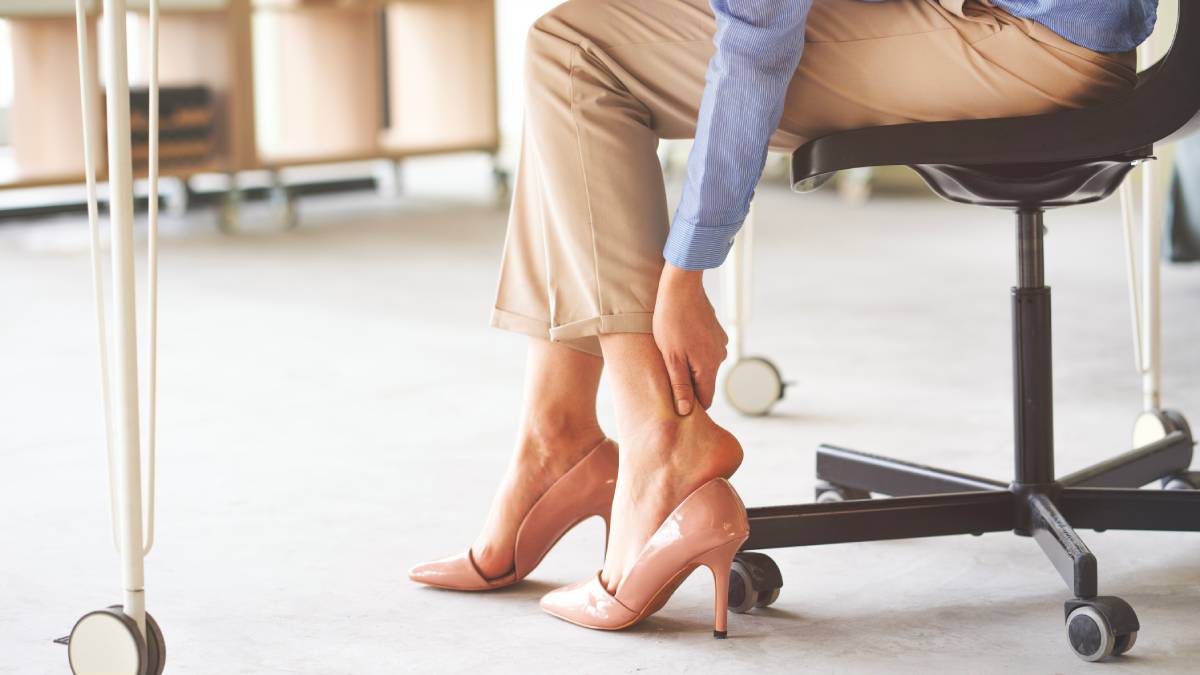
One of the most common complaints of adults everywhere is heel pain. For most people, the pain is most noticeable in the morning when they take their first step after rising or when they stand up after a long period of rest. Foot conditions like plantar fasciitis, heel spurs, and Achilles tendon irritation are usually what most sufferers blame. However, one thing they have to understand is how footwear affects heel pain. A visit to a heel pain specialist can provide you with much-needed guidance on how you can help your foot get the much-needed relief.
How Footwear Affects Heel Pain
What you wear on your feet every day plays a crucial role in either supporting your healing or worsening your pain.
When you walk, your heel absorbs a tremendous amount of force with every step. Your heel is the first part of the body to strike the ground, bearing the impact of your body weight. Over time, this repetitive stress strains the plantar fascia, a thick band of tissue that runs along the bottom of the foot. It may also irritate the surrounding muscles and ligaments.
When you wear improper footwear, the stress increases. Uncushioned shoes or those that lack support or stability force the heel to absorb shock without protection. This results in inflammation and pain.
The Impact of Poor Footwear
Most everyday shoes are designed for aesthetics and do not provide support. What is worse is that these styles are even contributing to heel pain.
Flat Shoes with No Support
Ballet flats, flip-flops, sandals, and other completely flat footwear provide little to no arch support or heel cushioning. The problem is that footwear without support causes the plantar fascia to stretch excessively with each step. This increases the strain on the heel.
People usually wear flats because they feel comfortable. However, prolonged use often makes the pain worse, especially during walking or standing for long periods.
Worn-Out Shoes
Shoes lose their supportive structure over time. The cushioning thins, the heel counter weakens, and the midsole no longer absorbs impact as effectively. No matter how much you love your old shoes, do not wear them past their lifespan to avoid increasing your heel stress.
High Heels
Wearing high heels shifts the body weight forward. This places excessive pressure on the forefoot while tightening the Achilles tendon. Over time, the tendon shortens, and tension increases at the heel when wearing flat shoes again, triggering pain.
Contrary to what others may think, alternating high heels with flats often won’t do any good. In fact, it may even cause more harm.
Features of Heel-Friendly Footwear
The right footwear can make a big difference in pain levels, sometimes within days.
Proper Arch Support
Good arch support helps evenly distribute pressure across the foot rather than concentrating it at the heel. This results in reduced strain on the plantar fascia and overall foot alignment.
Cushioned Heel
To prevent pain, you need something to absorb the impact when you walk. The solution is a cushioned heel. Materials such as EVA foam or gel cushioning reduce the force transmitted to the heel bone. This is especially important for people who regularly walk on hard surfaces or stand for long periods.
Firm Heel Counter
The back portion of the shoe that surrounds the heel is called the heel counter. If the heel counter is firm, it stabilizes the rear foot, which prevents excessive inward or outward movement that can aggravate heel pain.
Slight Heel Elevation
Even just an inch of heel lift can reduce tension on the Achilles tendon and plantar fascia. While completely flat shoes increase strain, a slight elevation offers relief without compromising stability.
Wearing the Right Shoes at Home
Indoor footwear is often overlooked. Walking barefoot or in thin house slippers on hard floors can irritate the heel. This further delays recovery.
You can get support even when you are indoors by wearing supportive indoor sandals or house shoes.
Talk to a Professional
If heel pain persists even with the right footwear and home care, it may be time to seek professional help. They can recommend the most effective treatment options, including minimally invasive heel surgery, if it is what you need. Schedule a consultation today and take the first step to pain relief.